Style LoRA Study · Flat · Casual · AI Lab
Sherwood Duo — Style LoRA Study
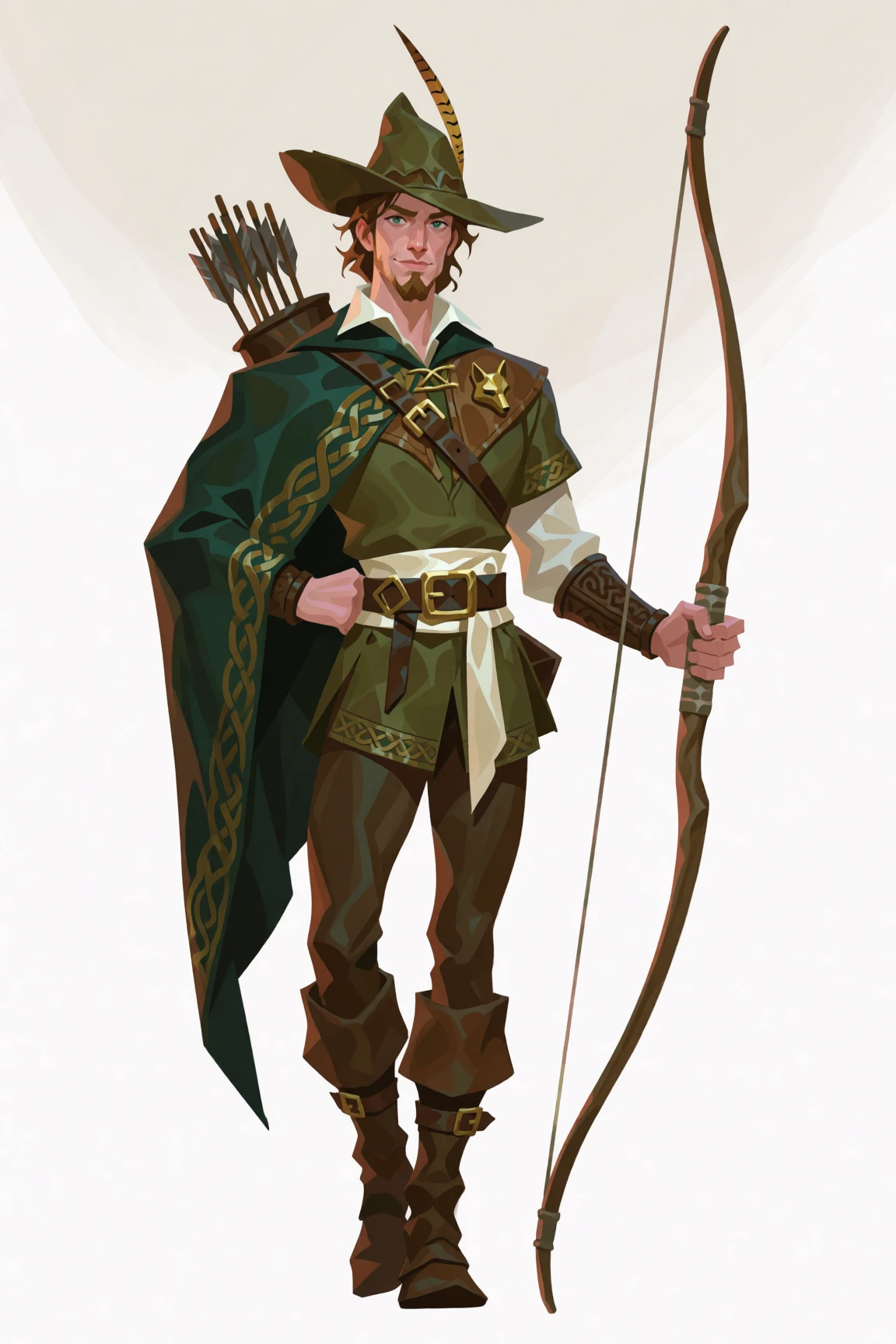

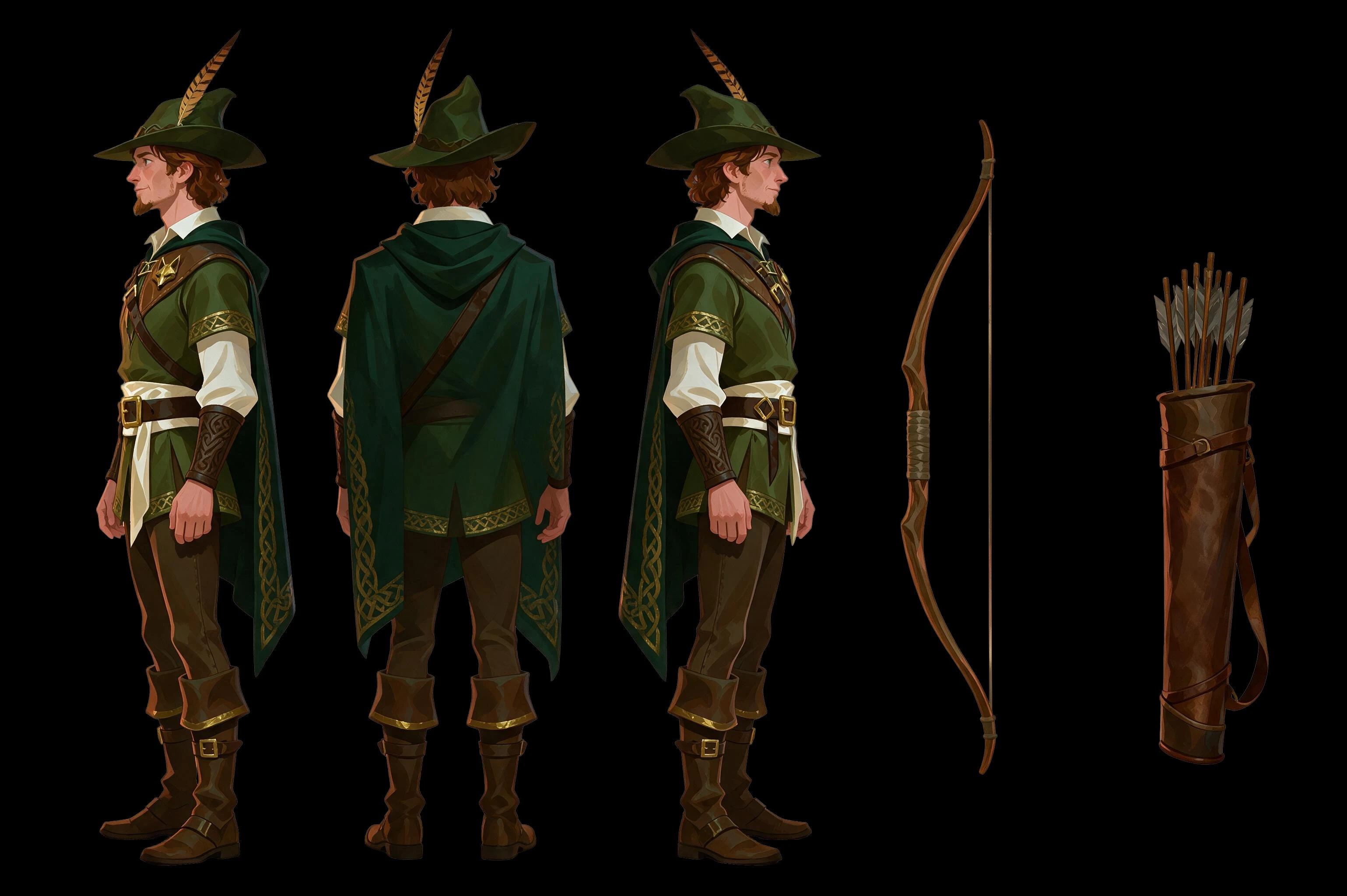
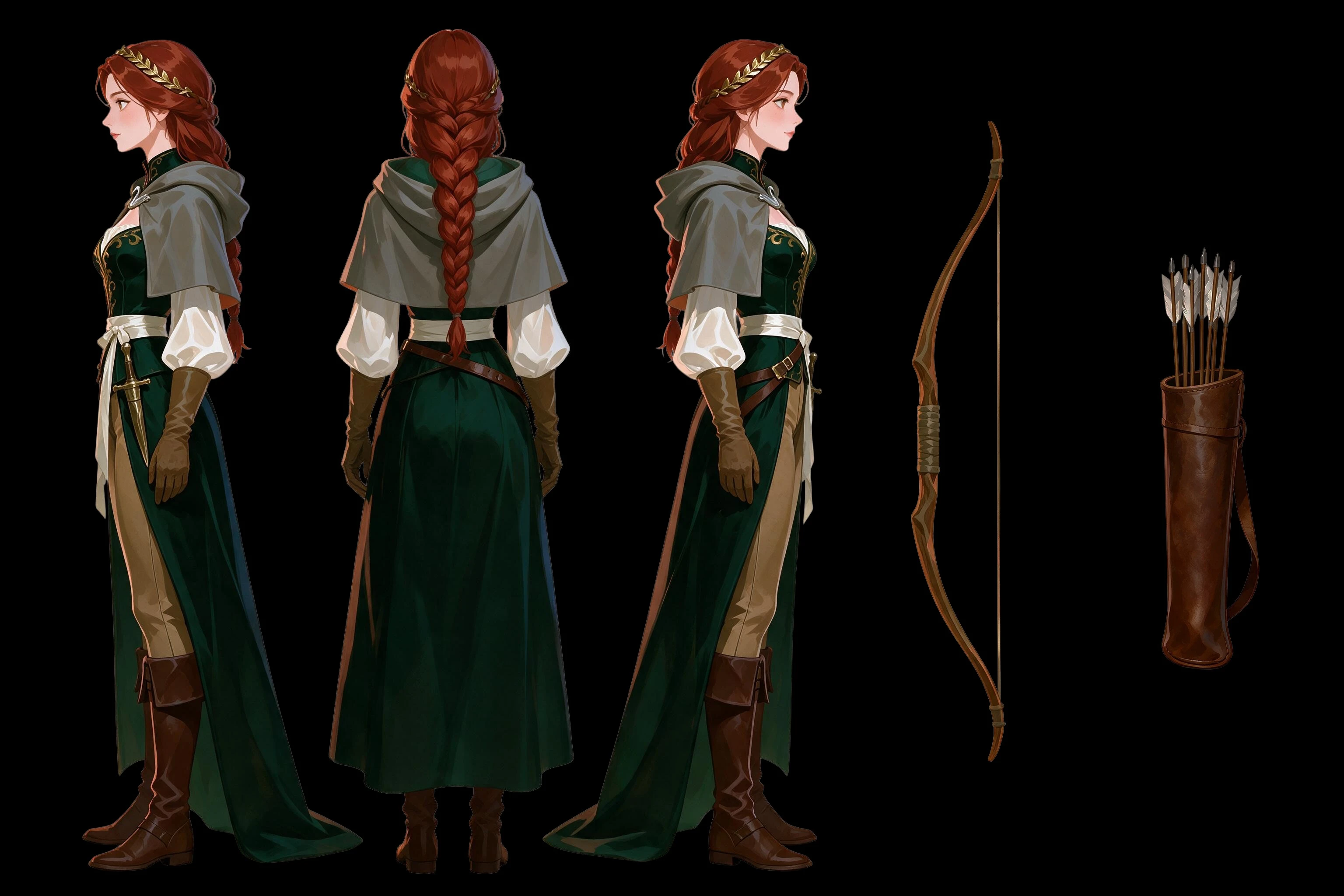
Stack
- Role
- Dataset curation, captioning, LoRA training, epoch-sweep validation
- Base model
- Krea 2 (open-weights)
- Tools
- ComfyUI, self-trained style LoRA + Krea 2, directed generation
- Year
- 2026
Process
From the AI Lab
Model Card Flat Casual Game Style — LoRA Style LoRA trained end-to-end: 1,167 images reviewed → 58 curated → epoch-swept, production-validated.
Training
| Base model | Krea 2 (open-weights, turbo) |
| Trainer | musubi-tuner (open-source, CLI) on a single RTX 4090 |
| Network | LoRA dim 32 / alpha 32 |
| Schedule | 1,508 steps · 26 epochs · ~2 h |
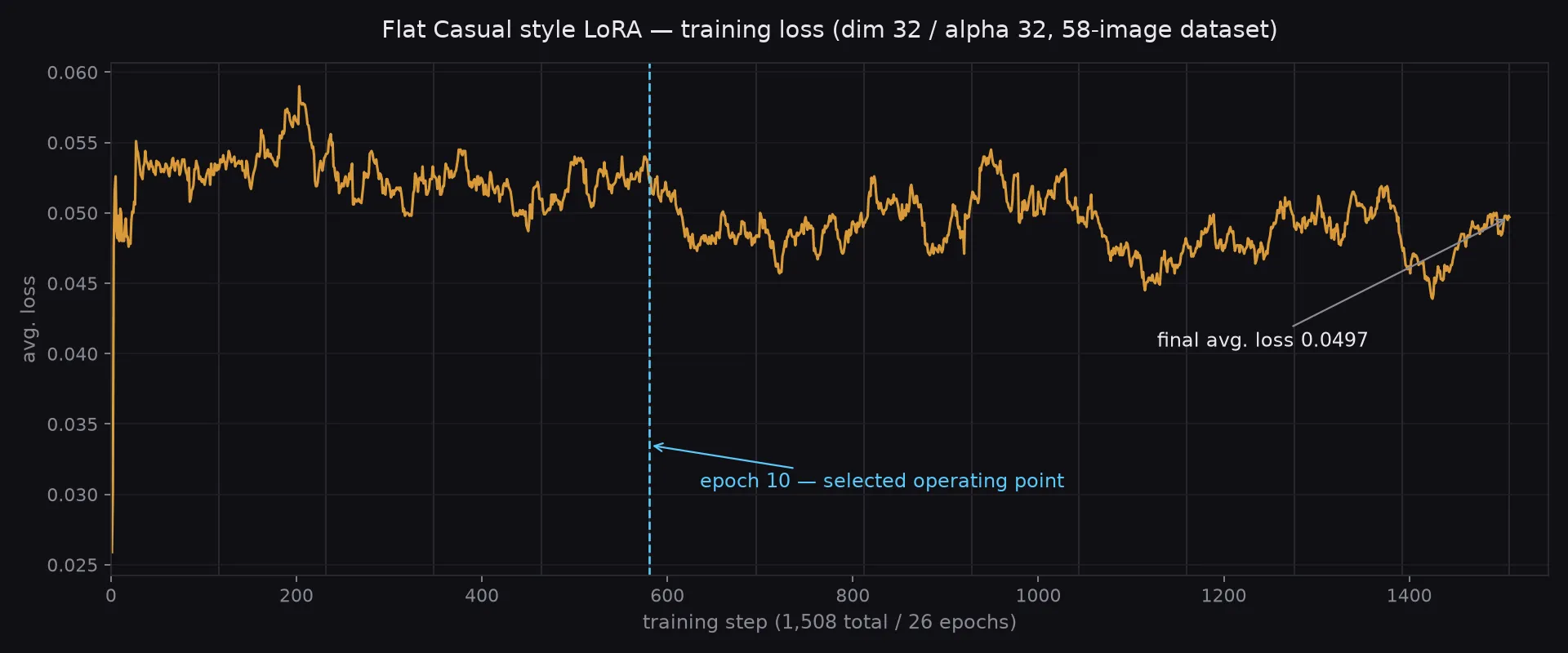
| Result | final avg. loss 0.0497 · checkpoint saved every 2 epochs |
The actual loss curve from the run log — the flat-with-noise shape after the early drop is expected for style training on a small dataset; the signal you watch is that it stays flat instead of collapsing (memorization) or climbing (divergence):
Validation — the part most people skip
Loss numbers don’t tell you which checkpoint to ship. Every checkpoint is swept with an out-of-distribution probe: a fixed seed and a fixed prompt for a subject that is not in the training data. In-distribution probes flatter the model — memorization looks like quality. An OOD subject shows what you actually bought: whether the style generalizes, and at which epoch style adoption starts costing anatomy or costume logic.
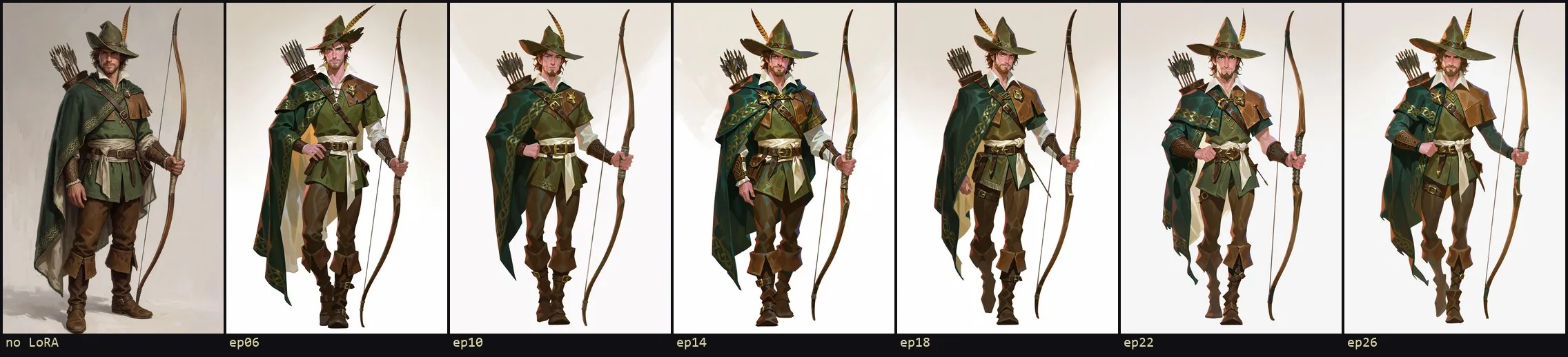
Fixed seed, no-LoRA baseline through epoch 26. Style locks in around epoch 10 without breaking structure — later epochs push the graphic look harder but start bending anatomy, so epoch 10 ships as the standard operating point and later checkpoints are kept as deliberate stronger dials.